
Let’s face it: even the most creative yoga teacher experiences something like writer’s block after their first 100 classes.
Because I’ve gone through this myself many times in my teaching journey, I want to share a few tips and resources that have helped me move through creative standstills and stay inspired.
5 Tips for creative yoga sequencing
How to tackle the burn-out of having to come out with new things?
- See What Other Teachers Are Doing
Building on the first point: staying up to date with what other yoga teachers are offering is essential to keep your ideas fresh.
There’s something deeply energizing about attending a class with a teacher you admire. It can spark creativity and remind you of forgotten tools or approaches.
Whether it’s a studio class, a private lesson, or a YouTube video (see list at bottom), keeping your finger on the pulse of the yoga world is a powerful way to grow as both a practitioner and a teacher.
- Don’t Be Afraid to Break the Rules
Yoga is meant to be experienced. While traditional class formats can be incredibly helpful, they shouldn’t constrain your teaching.
Don’t get stuck thinking you must include a certain number of Sun Salutations every time, or that you can’t include a twist at the beginning of a practice.
The general guidelines we learn during teacher training are valuable starting points, but they’re not rigid rules. Give yourself permission to experiment with what feels right in your body and in your students’ bodies.
We are all complex beings, and we have different needs at different times.
The journey of yoga is one of self-exploration and realization. Don’t let preset molds hold back your growth as a teacher or as a student, and remember that making mistakes is OK and necessary for growing.
- Experiment With Different Class Themes
Some of the most inspired classes I’ve taught were born from Tarot.
I still remember the sense of surrender that accompanied the card of Death. While it often carries a heavy reputation, Death in the Tarot speaks to transformation, letting go, and necessary endings. I designed a slow, grounded class with deep hip openers and long holds, inviting students to release what no longer served them, physically and emotionally.
For The Hermit, I crafted a Yin-style class that encouraged introspection and solitude. The pace was intentionally slow, with long pauses between poses and minimal cues. Creating space for students to turn inward and connect with their inner guide.
And then there was The Magician—a symbol of creativity, manifestation, and personal power. This class was a light, playful flow, filled with transitions that encouraged exploration and a sense of magic.
When we expand our idea of what can anchor a yoga class—beyond just focusing on body parts—we create space for deeper creative expression.
- Sequencing Resources & Materials
I’ve also found helpful to revisit certain resources and materials as sources of inspiration for my sequencing. Some of my go-to tools include:
- Yoga Sequencing by Mark Stephens – A classic manual with a wealth of pre-made sequences to draw inspiration from.
- Light on Yoga by B.K.S. Iyengar – Timeless postures and sequencing rooted in alignment (and you also get to see some of the most crazy yoga poses performed by the great Iyengar).
- Asana Pranayama Mudra Bandha by Sami Satyananda Saraswati – A systematic manual that include a wide range of hatha yoga practices (including the little known shatkarmas, cleansing techniques).
- The Complete Guide to Yin Yoga: The Philosophy and Practice of Yin Yoga by Bernie Clark – An in-depth look at the philosophy and practice of Yin Yoga.
- Tumme – A Yoga sequence online builder. I’ve tried both the free and the paid version and find it a very useful tool.
- Keep Your Personal Yoga Practice Going
I’ve saved this tip for last because I know it’s one of the hardest to hear—and even harder to do—especially when you’re teaching 15 or more classes a week.
We often fall into the trap of thinking we can teach yoga without practicing it ourselves, and we justify it with a lack of time.
But remember: you began this journey because something in yoga called to you.
Along the way, it’s easy to forget that initial spark. Staying committed to your personal practice—in all its dimensions: physical, mental, and spiritual—not only makes you a better teacher, it becomes a source of inspiration for your sequences.
You need to embody movement before you can teach it to someone else. Your body holds memories, and through consistency can you feel the echoes of your original calling.
So I’ll leave you with a question I like to ask myself—especially during moments of burnout or creative fatigue:
Why did you get into yoga?
I’d love to read your experience. Feel free to share your thoughts in the comments—or send me a message to baraka.yoga.flow@gmail.com
Bonus
Here are three channels I regularly turn to when I need a spark of creativity, guidance, or simply to reconnect with the heart of the practice:
Lisa has a beautiful, calming narrative voice, and her Yin and somatic yoga classes are both deeply soothing and meaningful. Her thematic flows are unique, emotionally rich, and crafted with genuine passion.
Essem’s classes are always full of creativity, with a strong emphasis on mobility—a focus that’s both challenging and refreshing compared to most content on YouTube. Since discovering her, I’ve gained a deeper appreciation for the layers of complexity within mobility practices.
David & Jelena channel is packed with detailed Ashtanga tutorials and creative variations of the Primary Series. Their cueing is clear, the pacing is intentional, and the overall instruction is top-tier—perfect for refining your own practice or getting inspired for class themes.
Fear of repetition? You’re not alone. Read this article to ease your mind:
The Science Behind Stillness: How Yin Yoga Rewires Your Body | Part 2
Following up on my latest yin yoga article, I’ll delve deeper into how Yin Yoga…

Asana Encyclopedia. Vrikshasana (Tree Pose): Meaning, Alignment & History.
Today, I’ll unpack what Vrikshasana (Tree Pose) means in Sanskrit and share the story and…

The magic of Stillness: Yin Yoga Rewires Your Body | Part 1
Ever wonder why you wake up feeling like a rusty robot, or why that forward…
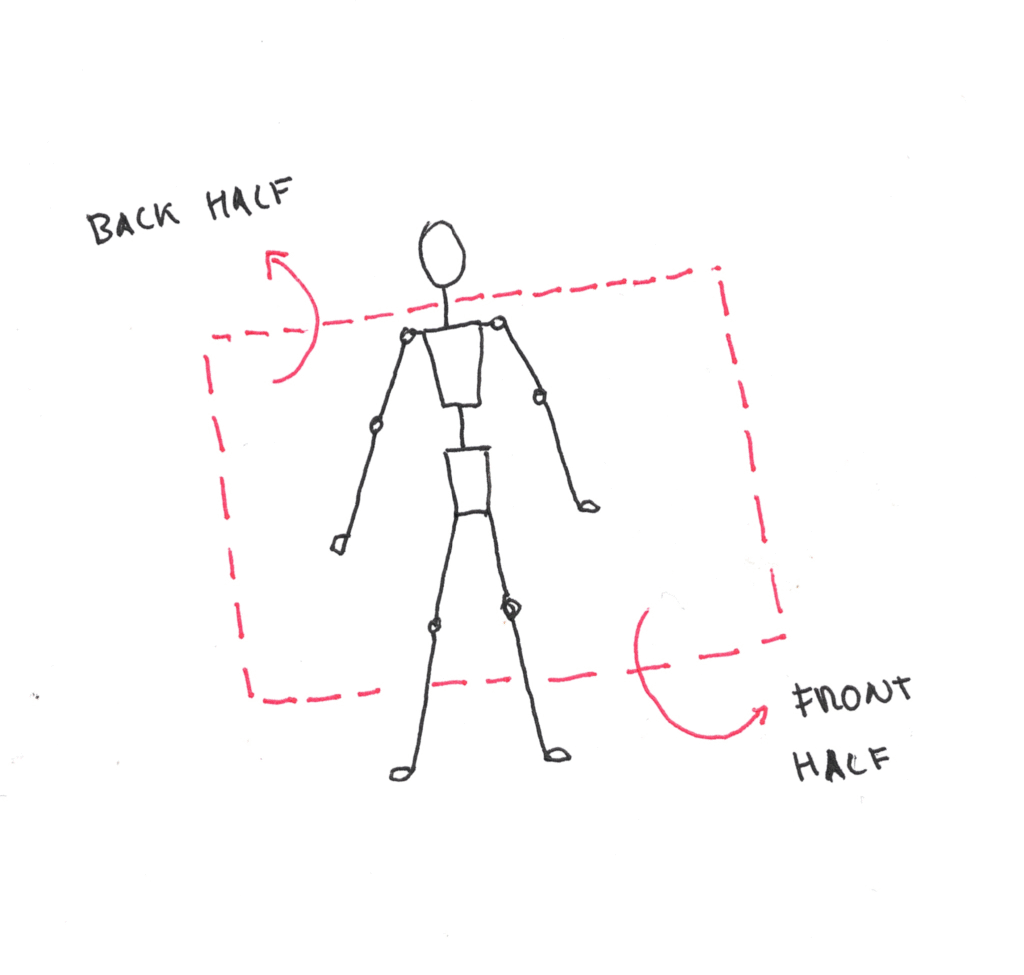
Yoga Anatomy Series | Part 1: Understanding Body Language & Movement Planes
As a yoga teacher, I understand the struggle of completing your 200-hour YTT —and sometimes…
How to survive your first yoga class?
Following up on the subject of how to get ready for your first yoga class,…
Asana Encyclopedia. Tadasana (Mountain Pose): Meaning, Alignment & History.
I’m going to break down what Tadasana (Mountain Pose) means in Sanskrit and also tell…