
I have zero flexibility.
I have no clue on what I’m doing [on the mat].
There’s a studio near me, but I keep hesitating.
Sound familiar?
If I had a penny for every time someone told me, “I’d love to try yoga, but I’m just not flexible enough”, I’d have two pennies, but that’s a lot because no one is talking about this.
The truth is that flexibility is a part of a yoga practice, but probably not in the way you’re thinking.
Yes, many yoga poses (asana) do ask for a degree of physical mobility. But the deeper goal of yoga goes far beyond touching your toes or mastering a handstand.
Then… what’s the goal of yoga practice?
As the ancient sage Patanjali wrote in the Yoga Sutras—one of the foundational texts of the yoga tradition, composed sometime between 500 BCE and 450 CE:
Yogas chitta vrtti nirodhah
Brief Sanskrit translation (for nerds like me):
Nirodhah: restraint or suppression
Chitta: mind, mental or consciousness
Vrtti: modifications or fluctuations
Following this definition, Yoga is the method by which the restless mind is calmed and the energy directed into constructive channels (Iyengar, 2021).
It’s not about having a bendy body. It’s about cultivating a steady mind, and learning to be present with what is.
Yoga is the path that helps us observe, understand, and eventually quiet the fluctuations of the mind.
Stepping Out of Your Comfort Zone
Trying anything for the first time is scary and yoga is no exception. It can feel awkward, especially when you’re moving your body in unfamiliar ways (but don’t worry, with practice, you’ll actually start to crave that sense of unfamiliarity), surrounded by others who might seem like they know what they’re doing.
But what if, instead of focusing on the fear, you asked yourself what might be waiting for you on the other side of that discomfort?
Often, the fear of being judged or not being “good enough” in class actually reveals something deeper: a desire to reconnect with parts of ourselves we’ve ignored.
That stiffness or tightness might just be your body asking to be seen, softened, and supported.
At the end of the day, awareness of your body—awareness of your tightness—is what advanced yoga actually looks like.
Even after twelve years of consistent yoga practice, I still struggle with inflexible hamstrings. Yet my practice has paid off—and it’s been so worth pursuing.
If you spend an entire class in Child’s Pose, fully present with every inch of your body, you’re practicing a more advanced form of yoga than someone moving through the most complex sequence without attention (what we call awareness in the yoga world).
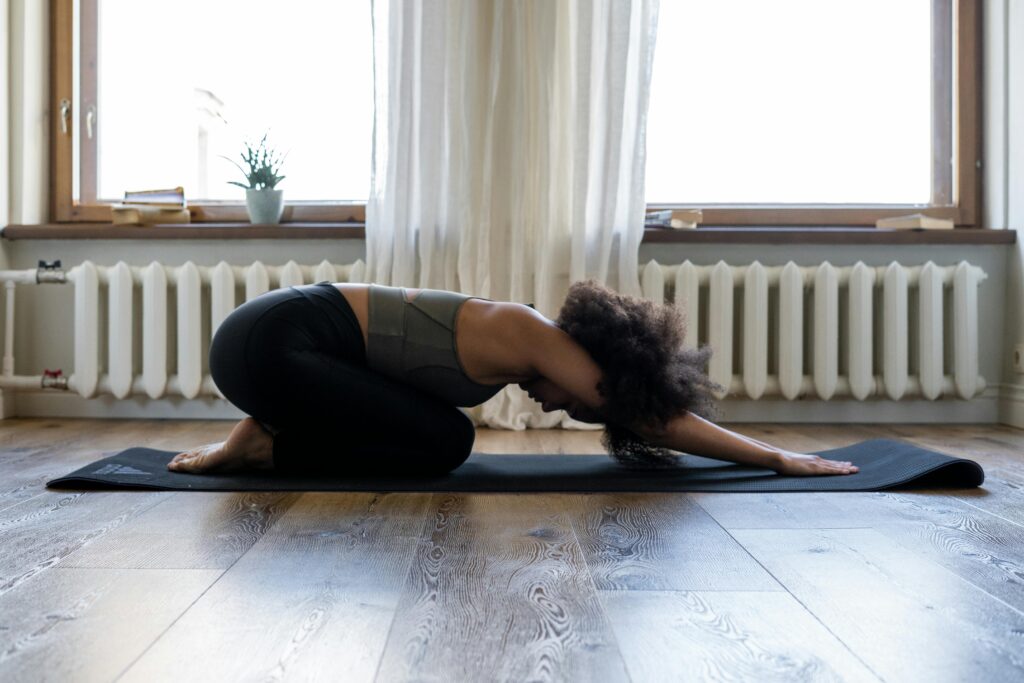
Understanding that yoga goes beyond a specific pose, body type, or physical ability is key to deepening your practice.
Advanced yoga looks different for…
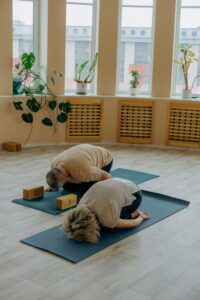
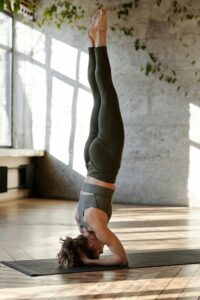
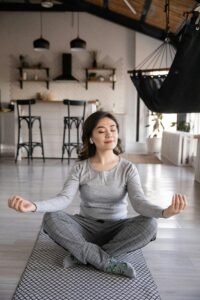
So if you’re hyper-aware of your tightness: consider yourself on the right path.
When you shift your focus from fear to curiosity—or from limitation to possibility—your capacity for growth expands more than you realize.
But, I Don’t Know Anything About Yoga
The fear of being a beginner is completely natural, and you might be feeling it too.
Starting something new, especially without clear guidance, can feel intimidating. It’s vulnerable to not know what you’re doing, to not have all the answers, and to show up anyway.
But here’s a secret from the teacher’s side: I love working with beginners.
They’re often the ones who grow the fastest. When they come in with curiosity and an open mind, their learning feels natural and organic. There’s no unlearning to do, just exploration, discovery, and steady progress.
Remember: you’re seeking out a teacher because you want to learn. No one expects you to know everything—not in your first class, and not ever. Even the most advanced yogis are still students of the practice.
It’s far more valuable to walk into a class with an open heart than to think you already have all the answers. Too many people—beginner and advanced alike—believe they know everything, and end up learning nothing.
Start were you are
Yoga begins with showing up—not just on the mat, but with yourself, in this moment.
And remember: during a yoga class, no one is watching you.
People are focused on their own breath, their own bodies, and the teacher’s guidance. You are free to be with yourself.
Yoga is a journey inward. Practicing with others simply means you’re all walking that path together—each in your own way.

I wrote about my experience during my very first yoga class. Spoiler: I had no idea what I was doing. Check out the article here if you’d like to read about my journey.
I write about yoga in my newsletter. If you’d like to stay connected, feel free to subscribe:

The Science Behind Stillness: How Yin Yoga Rewires Your Body | Part 2
Following up on my latest yin yoga article, I’ll delve deeper into how Yin Yoga…

Asana Encyclopedia. Vrikshasana (Tree Pose): Meaning, Alignment & History.
Today, I’ll unpack what Vrikshasana (Tree Pose) means in Sanskrit and share the story and…

The magic of Stillness: Yin Yoga Rewires Your Body | Part 1
Ever wonder why you wake up feeling like a rusty robot, or why that forward…
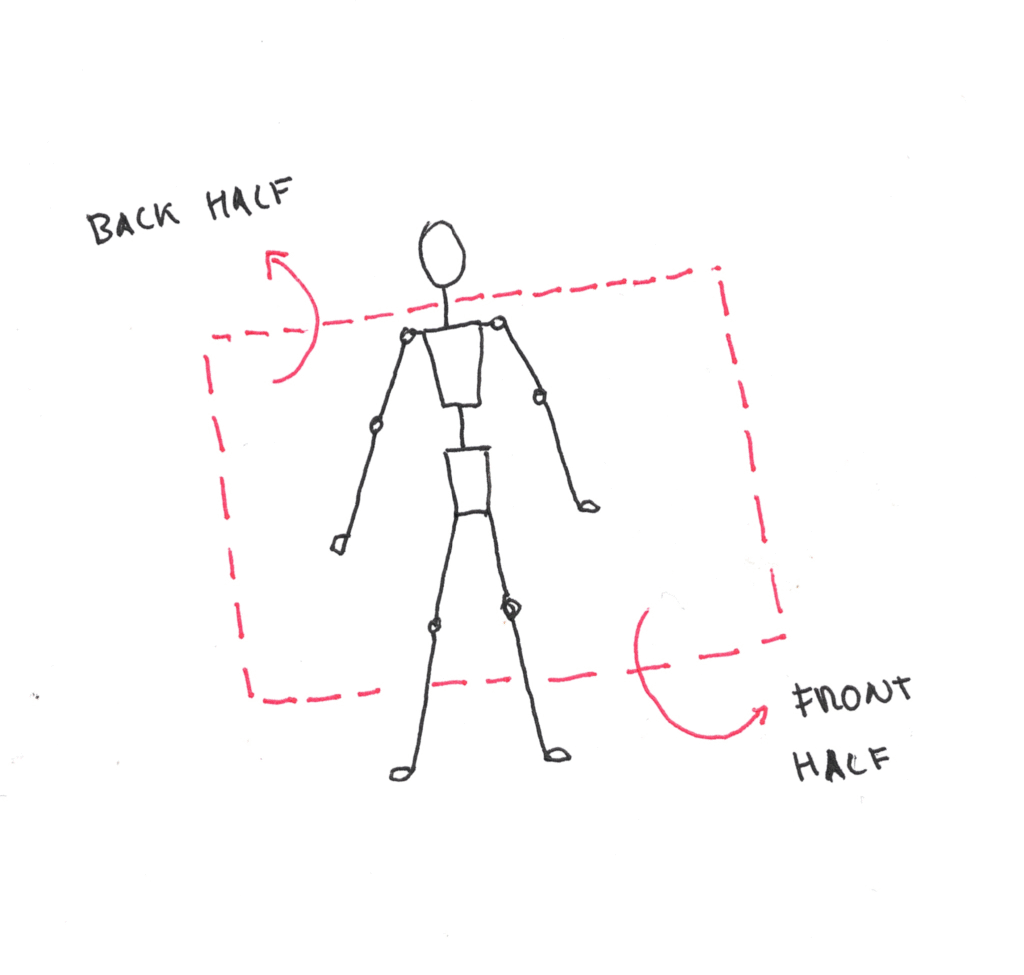
Yoga Anatomy Series | Part 1: Understanding Body Language & Movement Planes
As a yoga teacher, I understand the struggle of completing your 200-hour YTT —and sometimes…

How to survive your first yoga class?
Following up on the subject of how to get ready for your first yoga class,…
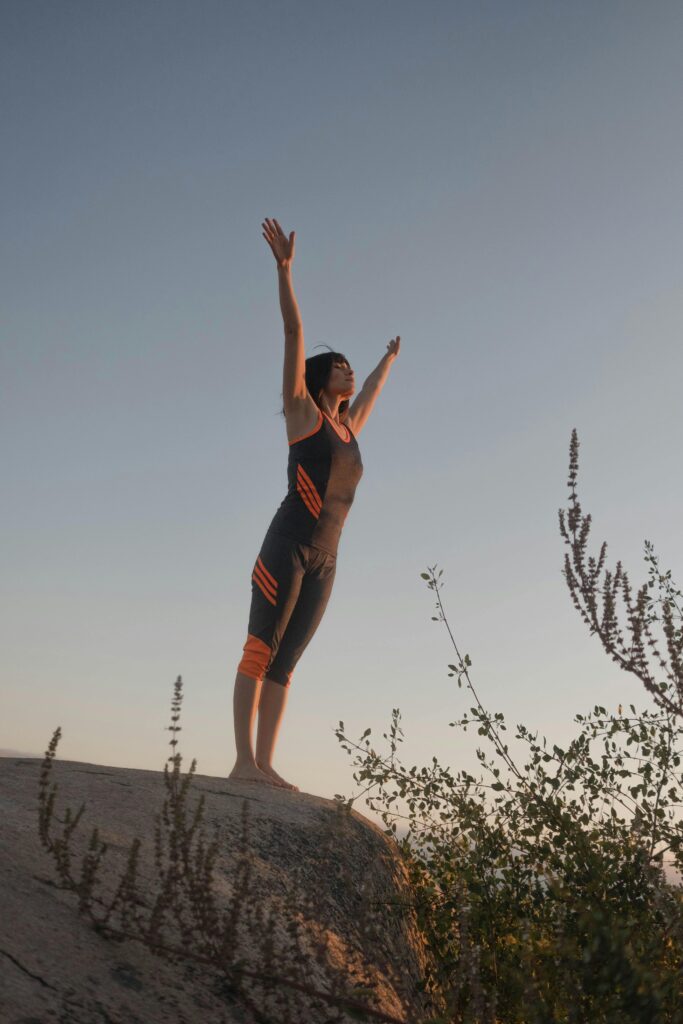
Asana Encyclopedia. Tadasana (Mountain Pose): Meaning, Alignment & History.
I’m going to break down what Tadasana (Mountain Pose) means in Sanskrit and also tell…
Pingback: 3 Tips Before your First Yoga Class: Yoga for Beginners
Pingback: The Myth-Busting Guide for Men Who Want to Start Yoga