
I bought my first yoga mat twelve years ago at a Walmart near my house.
It was purple—which was its only nice trait. It was slippery, thin, had zero grip, and would slide around with me every time I flowed.
I remember that during Downward-Facing Dog (Adho Mukha Svanasana), I’d sometimes just give up and lower to the floor—gripping the ground felt safer than trusting that mat.
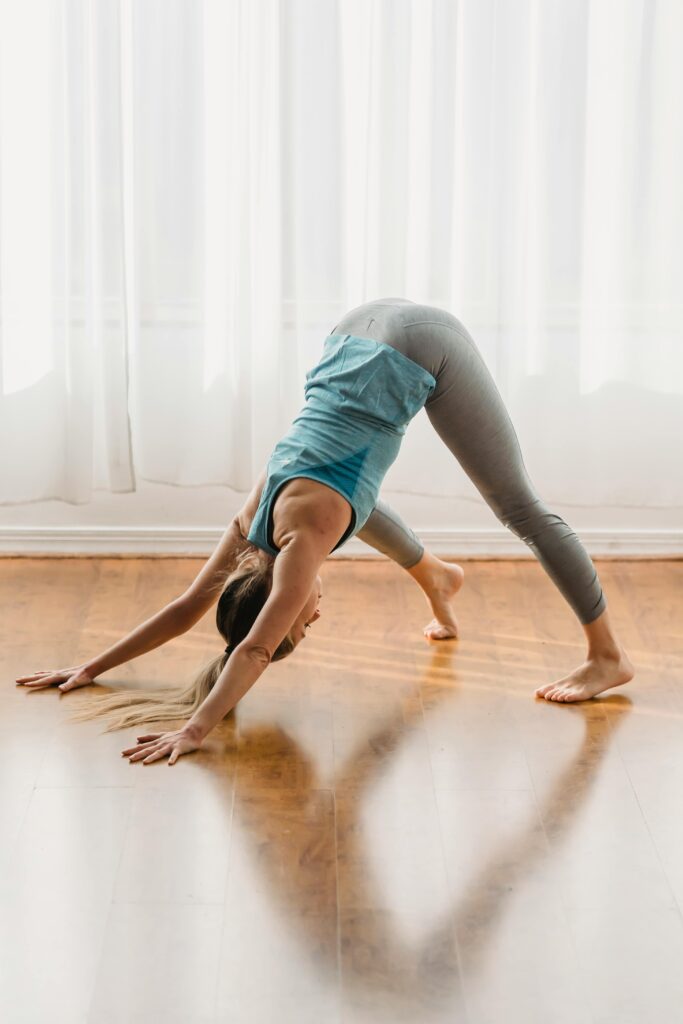
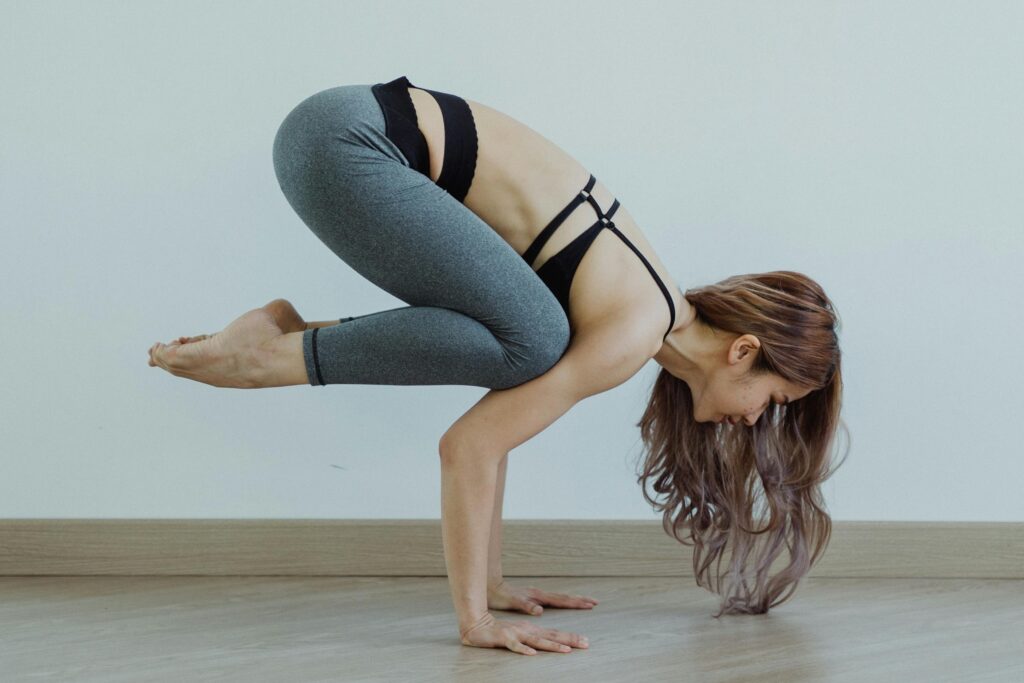
And Crow Pose (Bakasana)? Forget it. I was terrified of jumping back. I just knew if I kicked too hard, the mat might take off with me like a magic carpet. Which is what I want on a date, not in a yoga session.
I kept practicing on that purple slip-and-slide for over two years. When I finally decided it was time for an upgrade, I took the easy route: I bought the cheapest mat on Amazon with decent reviews.
After digging through my Amazon history, I found it!
This time, I went with red. It had much better grip—major improvement—but the overpowering plastic smell completely ruined Savasana and any chance of a peaceful meditation… for the next two years.
Apparently, two years is the average lifespan of your typical budget mat. Who knew?
Stepping Up My Mat Game
It wasn’t until I completed my first Yoga Teacher Training in 2020 that I decided it was time to invest in myself—and get a mat that actually met my needs.
So, I dove into some serious research, determined to find the best yoga mat for me. I was shocked by how quickly prices climbed as I explored well-known brands like Lululemon, Liforme, Yoloha, and Manduka.
It made me feel a bit insecure. I didn’t have a big budget, but I wanted to make a smart investment—something durable, high quality, and worth every penny. The problem was, I had no idea how to make an informed decision.
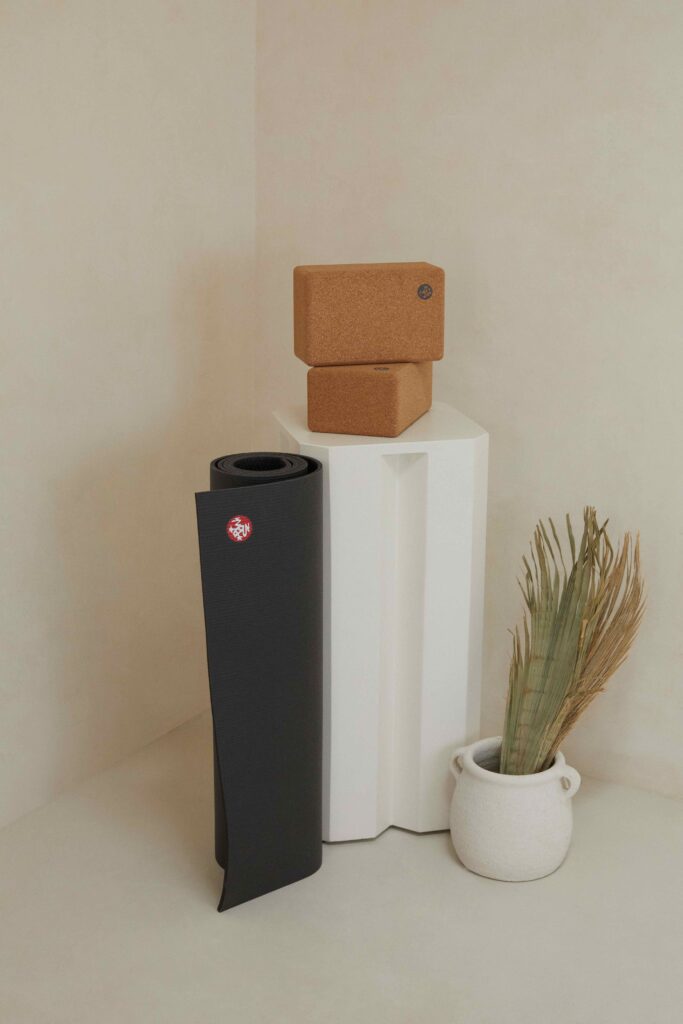
After hours of online digging—Reddit threads, comparison reviews, blog posts—I finally settled on the Manduka PRO Mat in black, and it was the best decision I could have made.
Now, five years and countless practices later, that mat still looks—and feels—almost brand new.
I was so happy, I even bought a second one in red for special occasions. Yes, I have a fancy mat now. Don’t judge.
Why Manduka?
Well…
After years of sliding, slipping, and sniffing questionable plastic fumes, I can confidently say: the Manduka PRO was a game-changer.
Here’s my review after five years of using it regularly—what I love, what could be better, and whether it’s actually worth the investment.
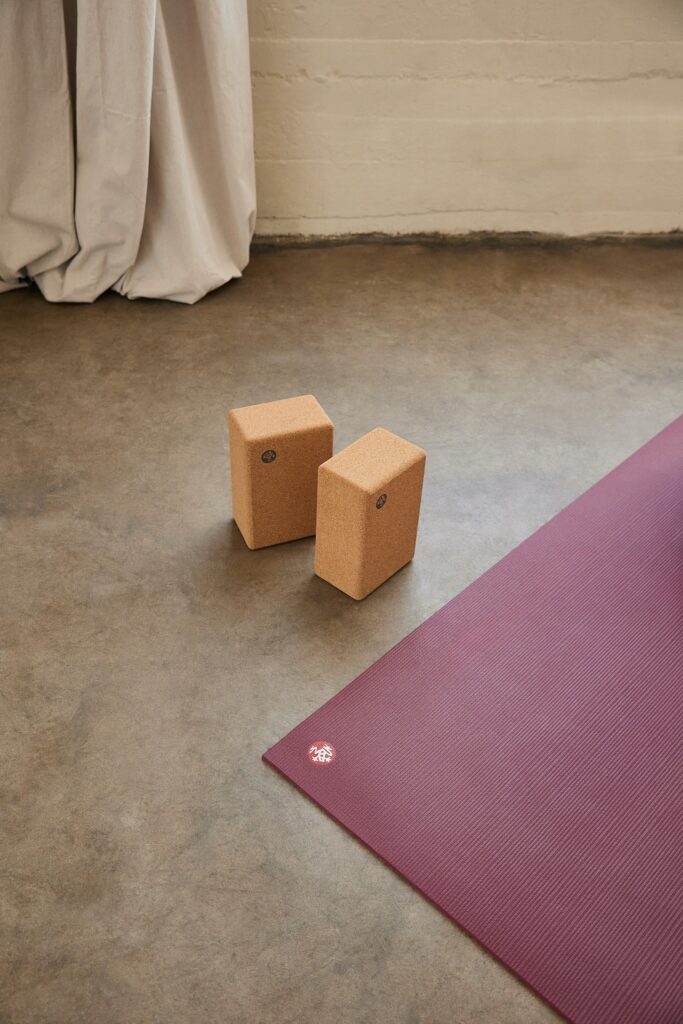
What I Love About the Manduka PRO Mat
Joint support that makes a difference
- With its 6mm thickness, this mat offers excellent cushioning—especially for sensitive joints. Even in poses like Camel (Ustrasana), where my knees are pressing down firmly, I feel supported and comfortable.
Super easy to clean
- After a sweaty power yoga class, I just spray it with water and wipe it down with a towel. It refreshes easily and doesn’t hold onto odors or grime like cheaper mats often do.
A grounded, stable feeling
- In every standing pose, I can feel the grip beneath me. That grounded sensation gives me the confidence and support to stay steady—even in more demanding balances.
Balanced grip and glide
- While the grip is strong, it doesn’t lock me in place. I can still transition smoothly between poses, which is key for Vinyasa and dynamic flows. It strikes a great balance between stability and traction.
Quality & duration
- This mat is built to last. I’ve practiced on it almost every day for five years, and it still looks and feels like new. Many of my students have shared similar experiences—some even longer! Manduka includes a unique serial number and offers a lifetime guarantee, which says a lot about how confident they are in the quality of their product.
Eco-friendly choice
- The PRO Mat is made from high-quality, non-toxic PVC and is manufactured through an emissions-free process, making it a safer choice for both your body and the planet. While PVC isn’t always seen as the most eco-friendly material, its durability makes a big difference—this mat can last for decades, meaning you’re not tossing a worn-out mat in the landfill every couple of years. Longevity is sustainability.
What could be better
It’s on the heavier side
- The stability and support this mat provides come with a tradeoff: it’s heavy—around 3.4 kg (7.5 lbs). If you’re a traveling yogi or like taking your mat on the go, this might be a bit of a burden. In that case, you might want to check out lighter alternatives like the eKO Lite or eKO Superlite.
Break-in period required
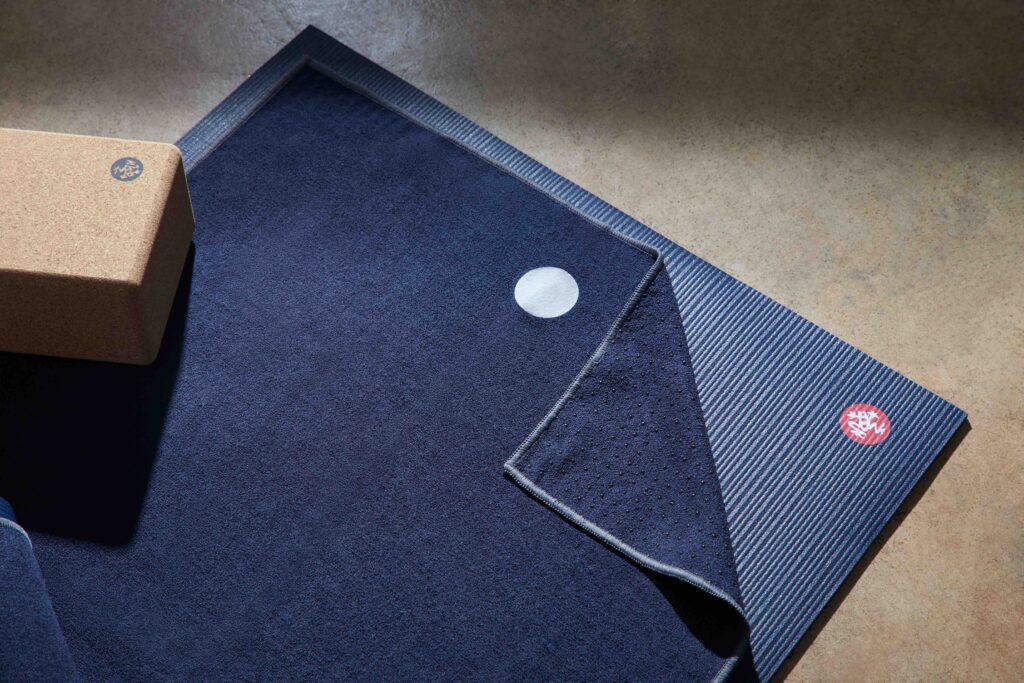
- Out of the box, the PRO mat needs to be “broken in” to reach its full potential. That means covering it with salt for 24 hours and then scrubbing it off with a damp cloth. While this method has worked well for me both times, some users still find the surface slippery—especially when sweaty. So if you tend to sweat a lot, you might want to pair it with a yoga towel or consider a mat with more immediate grip.
Is it worth the investment?
After years of slipping and sliding on cheap mats, I can say: the Manduka PRO is 100% worth the investment—even with its $138 price tag.
I recommend it to all my students because it offers the support, stability, and flexibility needed to grow your practice—no matter what stage you’re in on your yoga journey.
If you’re just starting out, I totally get the hesitation. I was skeptical too. I used budget mats for years before finally deciding to give a quality mat a try and I’ve never looked back.
There’s something powerful about unrolling a mat that meets you where you are. One that holds you, grounds you, and invites you to return to yourself.
Discover Manduka and all they have to offer.
This is an affiliate link. If you choose to purchase through it, thank you for supporting my path as I support yours (you can also use my coupon code when you complete a purchase: BARAKAYOGA)
I write about yoga in my newsletter. If you’d like to stay connected, feel free to subscribe:
The Science Behind Stillness: How Yin Yoga Rewires Your Body | Part 2
Following up on my latest yin yoga article, I’ll delve deeper into how Yin Yoga…

Asana Encyclopedia. Vrikshasana (Tree Pose): Meaning, Alignment & History.
Today, I’ll unpack what Vrikshasana (Tree Pose) means in Sanskrit and share the story and…

The magic of Stillness: Yin Yoga Rewires Your Body | Part 1
Ever wonder why you wake up feeling like a rusty robot, or why that forward…
Yoga Anatomy Series | Part 1: Understanding Body Language & Movement Planes
As a yoga teacher, I understand the struggle of completing your 200-hour YTT —and sometimes…

How to survive your first yoga class?
Following up on the subject of how to get ready for your first yoga class,…
Asana Encyclopedia. Tadasana (Mountain Pose): Meaning, Alignment & History.
I’m going to break down what Tadasana (Mountain Pose) means in Sanskrit and also tell…