
Is it weird for a guy to just show up and start yoga?
I’ll be the only guy there -and that somehow feels weird or uncomfortable
Would I come out as creepy or weird if I do yoga?
Throughout my yoga teaching career, I’ve encountered many Western men who still associate yoga with femininity.
Even if they’re curious, they often avoid stepping onto the mat out of fear that they’ll be seen as creeps lurking in a sea of leggings and lavender mist.
This stigma keeps them from discovering the actual magic of yoga: strength, mobility, stress relief, emotional release, and the ability to touch your toes without crying. And it reinforces an outdated (and honestly boring) idea of gender roles: men lift heavy things and grunt; women stretch gracefully and glow. Apparently, if a man does yoga, he loses his biceps, and if a woman lifts weights, she turns into The Hulk. Who knew?
Some of my male colleagues have shared how they’ve been shamed by their friends for practicing yoga, with comments like, “Why don’t you just hit the gym, bro?” or worse, “You’re just doing it to pick up women.” As if holding Warrior II for 90 seconds is some kind of secret dating strategy :).
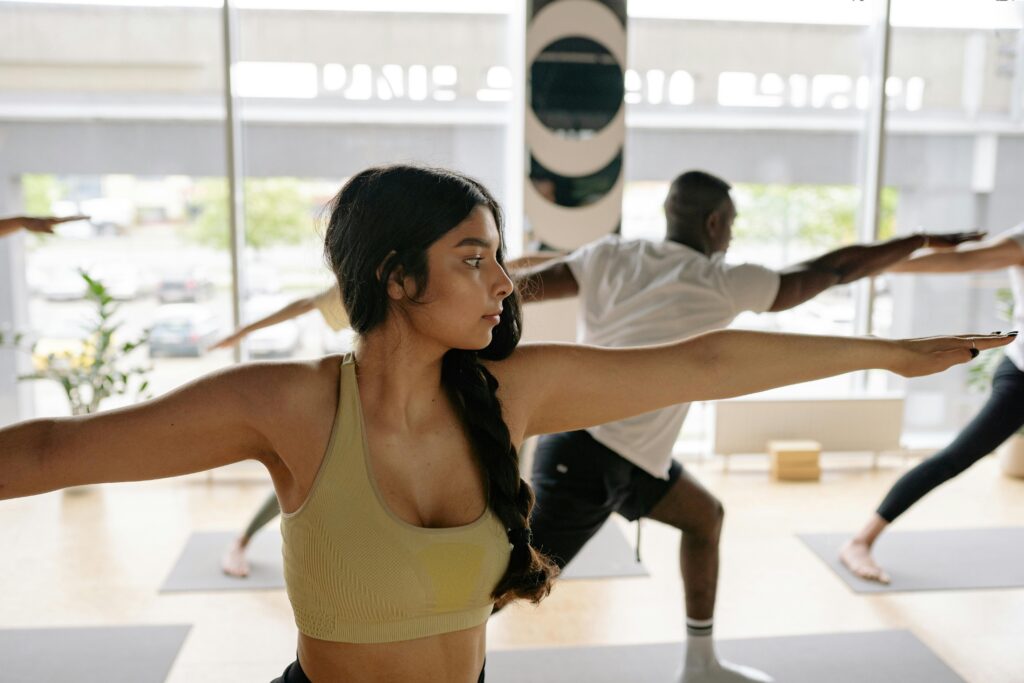
Western vs Eastern Yoga
Yes, it’s true: the Western yoga scene is largely female—students, teachers, studio owners, all of it. But here’s a fun fact: in yoga’s countries of origin, like India and Nepal, the practice has historically been male-dominated. In fact, if I time-traveled to a traditional yoga school in India a few decades ago, I’d probably be the only one without a mustache.
Most of the historical key figures in yoga were, in fact, men. So if you think yoga is all incense and goddess energy, let’s take a quick trip through history (cue dramatic documentary voice):
- Patañjali – The sage who compiled the Yoga Sūtras, basically the philosophical blueprint of yoga. Think of him as the ancient version of a life coach, but in a toga and probably sitting very still.
- Pattabhi Jois – The creator of Ashtanga Vinyasa Yoga, aka “yoga that kicks your butt everyday unless there is a full-moon.” This is the sweaty, jumpy, breathy style that eventually gave birth to modern vinyasa and power yoga. Definitely not a scented-candle kind of vibe.
- B.K.S. Iyengar – Master of alignment, props, and serious yoga face. His book Light on Yoga is the reason so many of us are out here trying to turn ourselves into human origami with blocks, belts, and a hopeful attitude.
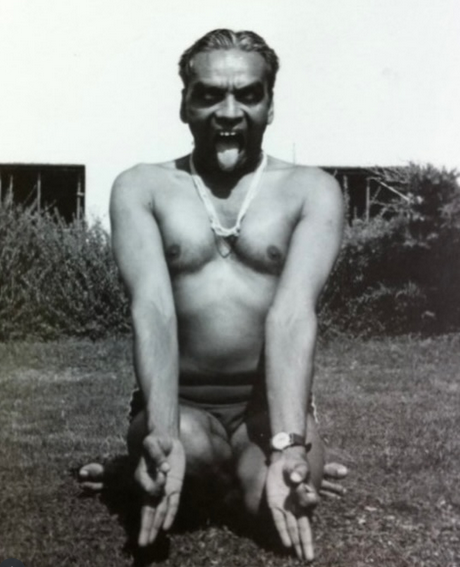
In other words: men built a lot of what we now recognize as modern yoga. So fellas, the mat is not only open to you—it was partly rolled out by men from the past.
That said, the gender gap among teachers in South and Southeast Asia is slowly narrowing. More women are stepping into leadership and teaching roles—which is wonderful progress—but in many traditional settings, the scales still tip toward the guys.
Male teachers, female students.
During my last training in Nepal, I was amazed (and slightly baffled) to realize that 90% of my teachers were men. The only honorary exception? My anatomy & Ayurveda teacher, Dr. Sushmita Ghimire—who, by the way, could probably teach you the intricacies of your rotator cuff while laughing at the fact that she couldn’t perform a headstand. She was refreshing and reminded us that you don’t have to be a contortionist or yoga Instagram model to be a great teacher.
But here’s the twist: out of the 25 students I spent a whole month with—sweating, stretching, and trying not to snore during savasana and Yoga Nidra—only three were male. So yes, while men are still dominating the front of the room, women are clearly filling the mats. The whole setup felt from time to time a bit like being in an all-girls school with a few lost exchange students… who wandered in looking for “something to open up their hips”.
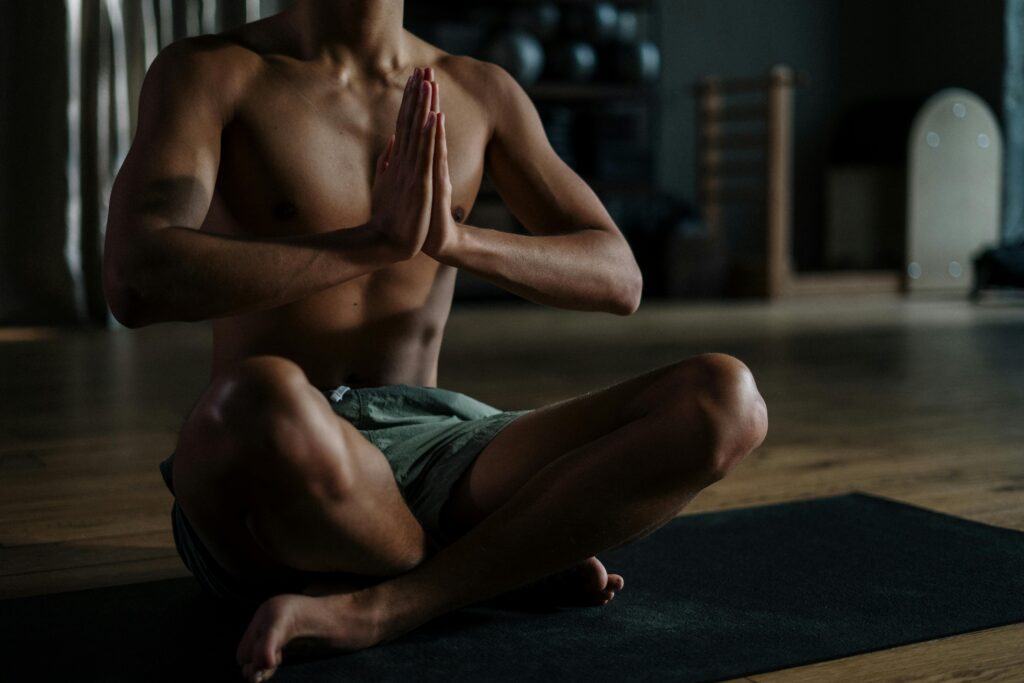
So maybe it’s time we stop thinking of yoga as either a women’s self-care ritual or a man’s guilty secret—and start seeing it for what it really is: a physical and spiritual practice for human beings with bodies, breath, and probably some stress to work out.
Breaking Down the Fear (For Western Men)
After that not-so-short introduction and a brief historical tour through some of yoga’s roots, let’s get into the real talk. I want to break down the main fears I’ve encountered among Western men when it comes to starting yoga and offer some solutions.
Being perceived as creepy or weird.
This one comes up a lot—and honestly, it has such a simple fix.
If you don’t act creepy or weird around the women in your class, no one is going to think you’re creepy or weird. Shocking, I know. Just show up, respect people’s space, focus on your own mat, and breathe. That’s literally the whole assignment.
And hey, if someone still misreads your presence? That’s on them, not you. Yoga studios are like anywhere else—if you treat people like humans and not potential dating profiles, you’re golden.
Practical Tip
I do encourage all the yogic men out there to wear appropriate clothing to class. In particular, I highly recommend wearing compression shorts under your gym shorts or opting for loose-fitting yoga pants.
I’ve seen way too many guys show up in what are essentially boxers, and that’s uncomfortable for everyone: the women, the other men, the teacher and probably your own sense of dignity in a wide-legged forward fold.
This isn’t about shame—it’s about respecting the shared space and making sure everyone can focus on their breath, not your wardrobe malfunction.
Not flexible enough.
Even though this fear isn’t exclusive to male practitioners, it’s everywhere, is more prominent among men.
So let me say it loud and clear:
You don’t need to be flexible to start doing yoga.
Flexibility comes with practice—not as a prerequisite. And more importantly, yoga isn’t a gymnastics competition.
Yoga is about presence, breath, awareness, and meeting yourself where you are. Touching your toes might feel satisfying, but it’s not the end goal. Trust me, there are plenty of bendy people who can do fancy poses but have never once connected to their breath or calmed their nervous system.
If you want to dive deeper into this topic, check out this article I wrote about flexibility and yoga and why it’s really not the point.
Everyone will be watching me
This fear isn’t exclusive to men, but I’ve heard it from many of them—so i wish to address it here.
Here’s the truth: nobody is looking at you. Seriously.
In a yoga class, most people are either (a) staring at their mat, (b) trying to copy the teacher without falling over, or (c) so focused on their breath or in their muscles that they wouldn’t notice if a goat walked in wearing yoga pants.
If you are looking around too much, chances are high you’ll end up doing a face-plant in Downward Dog. Trust me, it happens.
Yoga is about reconnecting with yourself. Even the more active styles are meditative. They ask you to tune inward, not scan the room for judgment or approval.
So take a breath, relax, and know this: we’re all way too busy managing our own wobbly balance and tight hamstrings to pay attention to yours.
Yoga Is Too Feminine
Ah yes, the classic “but yoga is for girls” argument. Let’s unpack that, shall we?
First of all, if breathing deeply, improving mobility, managing stress, and building core strength are “feminine,” then sign me up—because that sounds like a pretty solid wellness strategy for literally anyone with a body.
Second, let’s not forget that yoga was originally developed by men, practiced by men, and passed down by—you guessed it—men.
Patañjali wasn’t sitting around in pastel leggings sipping a matcha latte (although he might’ve loved it).
And if you think yoga is just gentle stretching and mood lighting, I invite you to try a traditional Ashtanga or Power Vinyasa class and see how “feminine” it feels when you’re dripping sweat and questioning your life choices during your hundredth Chaturanga of the day.
The truth is, yoga doesn’t belong to one gender. It’s not pink or blue, soft or tough, manly or girly. It’s a practice that meets you where you are—and then humbles you.
In fact, yoga helps us balance both of our energies: the masculine and the feminine. Because, contrary to what we’ve been told in the West, we all embody both.
And true strength lies in honoring all aspects of ourselves, not just the ones that fit neatly into a cultural stereotype.
Final Thoughts: Yoga Needs You Too
So, to all the men out there quietly curious about yoga but held back by outdated ideas—this is your invitation.
Yoga isn’t about touching your toes, chanting in Sanskrit, or suddenly becoming someone you’re not. It’s about showing up as you are, breathing deeply, and discovering parts of yourself that don’t get much airtime in your everyday life.
The mat doesn’t care how flexible you are, what gender you identify with, or whether you can pronounce Chaturanga Dandasana. What matters is that you show up.
And frankly, yoga needs you. Not because we need more testosterone in the studio, but because healing, awareness, and self-inquiry aren’t feminine traits—they’re human ones. The more diverse the yoga space becomes, the richer and more powerful it gets for everyone.
So let’s ditch the stereotypes, roll out the mat, and do the work—one breath at a time.
Want more stories, guidance, and yoga practices straight to your inbox?
Subscribe to my newsletter and let’s explore the deeper layers of yoga—together.
The Science Behind Stillness: How Yin Yoga Rewires Your Body | Part 2
Following up on my latest yin yoga article, I’ll delve deeper into how Yin Yoga…

Asana Encyclopedia. Vrikshasana (Tree Pose): Meaning, Alignment & History.
Today, I’ll unpack what Vrikshasana (Tree Pose) means in Sanskrit and share the story and…

The magic of Stillness: Yin Yoga Rewires Your Body | Part 1
Ever wonder why you wake up feeling like a rusty robot, or why that forward…
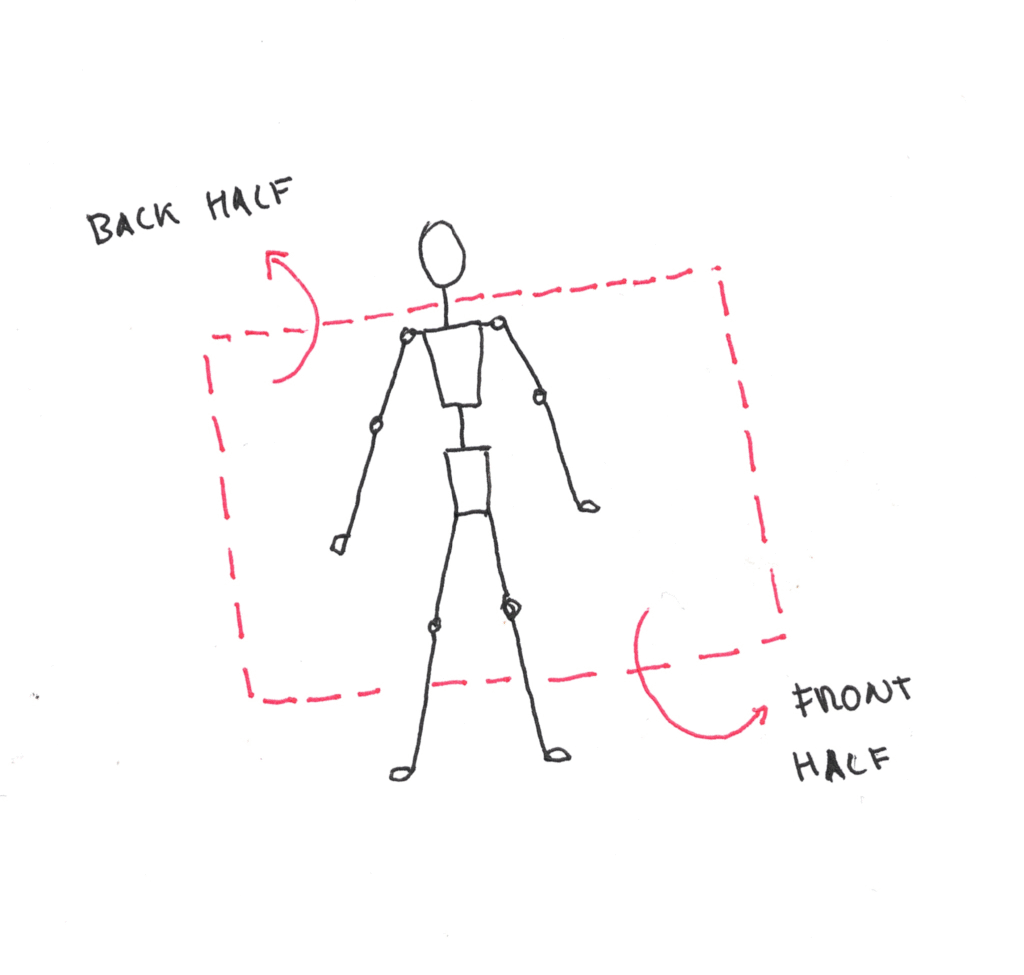
Yoga Anatomy Series | Part 1: Understanding Body Language & Movement Planes
As a yoga teacher, I understand the struggle of completing your 200-hour YTT —and sometimes…
How to survive your first yoga class?
Following up on the subject of how to get ready for your first yoga class,…
Asana Encyclopedia. Tadasana (Mountain Pose): Meaning, Alignment & History.
I’m going to break down what Tadasana (Mountain Pose) means in Sanskrit and also tell…